

#FreeToLove is a movement that champions the right for individuals to date and love whomever they choose, free from discrimination, judgment, or societal constraints. It celebrates authentic relationships that transcend differences in race, religion, caste, gender, or social status.
Embrace the Freedom to Love
Embrace the freedom to love authentically, regardless of who captures your heart. Genuine romance thrives when you are truly free to choose your partner and express your affection openly. It can be challenging to be your authentic self when facing judgment or societal pressures. Discover how to stay true to yourself and confidently embrace the #FreeToLove movement.
Navigating Dating Challenges

Key Takeaways
Limited Dating Freedom: A 2017 Closeup survey across Brazil, India, and the Philippines revealed that fewer than three in five young people felt free to pursue someone they were attracted to, with 75% reporting limited freedom in choosing partners.
Fear of Discrimination: Over half (53%) of surveyed youth feared discrimination and public shame in unconventional relationships, often keeping them secret due to parental disapproval. Challenges were highest for mixed-race (Brazil), inter-caste (India), and same-sex (Philippines) pairings.
Embrace Authenticity: Being open and honest about your relationships can significantly reduce stress compared to leading a double life. Embracing your true self publicly fosters genuine freedom to love.
Cultivate Support Networks: Building a strong network of friends and understanding family members is vital for navigating unconventional relationships. Public acceptance from parents can also encourage broader societal support.
Optimistic Future for Love: The Closeup study found that 80% of young people hope for a world without barriers to love, with 90% wishing for future generations to freely choose their partners, indicating a strong collective desire for positive social change.
Many couples encounter difficulties gaining acceptance due to differences in race, religion, or socio-economic backgrounds. Disparities in wealth, class, and caste can create significant conflict. Additionally, same-sex relationships often face prejudice, particularly in regions where they are not legally recognized. These unconventional pairings can challenge established societal norms, sometimes leading to discomfort or strong reactions from traditional communities.

Sadly, the freedom to love is not universally experienced, as highlighted by a 2017 Closeup survey involving 3,000 young individuals across Brazil, India, and the Philippines. The study revealed that fewer than three in five youths felt they could openly pursue someone they were attracted to, with 75% indicating they lacked complete freedom in choosing their partners. A significant number, one in two, admitted to keeping their relationships secret due to parental disapproval. Furthermore, 53% expressed fear of discrimination, judgment, and public shame when involved in unconventional relationships. The survey identified mixed-race pairings in Brazil, inter-caste relationships in India, and same-sex unions in the Philippines as the most challenging. This often led young people to lead double lives, resulting in feelings of guilt, frustration, and unhappiness.
Embrace Authenticity: Be Your True Self
While respecting family values is important, it's empowering to make personal choices about who you love, free from external pressure. Your life, your heart, and your decisions are ultimately yours. Embrace openness in your relationships and share your authentic self with others. Although it might seem simpler to conceal your true identity, pretend to be single, or engage in secret relationships, being honest and open publicly significantly reduces the stress associated with maintaining a false narrative. As Lady Gaga wisely expressed in 'Born This Way': 'Don’t hide yourself in regret, just love yourself and you’re set.'
Build Your Support Network
Developing a strong support network is crucial for navigating unconventional relationships. Reach out to your trusted circle, whether it's close friends, a best friend, or understanding family members like an aunt or grandparent who might offer a more liberal perspective. Parental acceptance can be incredibly influential; when parents openly support your choices, it often encourages others to follow suit. Remember, having a cohesive team around you significantly increases your chances of success. Enlist your allies to advocate for your relationship when faced with skepticism or disapproval.
Addressing Online Harassment and Prejudice
If you have a friend facing challenges in their right to love, offer vital support by listening without judgment. Whether they identify as lesbian, gay, transsexual, or are in a mixed-race relationship, they deserve to express their love publicly without fear of bullying, humiliation, or online harassment. Utilize your social media platforms to mobilize your peers, raise awareness, and promote greater tolerance and understanding.
Inspiring Modern Love and Acceptance
The future of love looks promising, with an insightful study by Closeup indicating that eight out of ten young people aspire to create a world free from barriers to love. This reflects an optimistic and inspiring desire for social change, as 90% hope that future generations will have the freedom to be with whomever they choose. The core objective is to dismantle societal barriers, enabling everyone to truly be #FreeToLove.
Experience Confidence with Closeup
Feeling good and confident enhances your life experiences, particularly with a bright, fresh smile. Closeup toothpastes, known for their breath-freshening properties, can help boost your confidence in social interactions. Since its inception, Closeup has offered a unique gel toothpaste infused with mouthwash. Its refreshing sensation helps you feel prepared to engage in close moments and act on mutual attraction.
Embrace Your Freedom to Love
The journey to authentic love often involves navigating societal expectations and personal challenges. Embracing your true self and building a strong support network are crucial steps toward experiencing genuine freedom in your relationships. The #FreeToLove movement highlights a collective aspiration for a world where everyone can connect openly and confidently. By fostering understanding and challenging social barriers, we can contribute to a future where love knows no bounds, empowering individuals to pursue meaningful connections with confidence.
Frequently Asked Questions
Closeup's 2017 survey of 3,000 young people across Brazil, India, and the Philippines revealed that less than three in five youths felt truly free to pursue someone they were attracted to. A significant 75% reported not feeling completely free to choose their partners.
The survey identified mixed-race relationships in Brazil, inter-caste relationships in India, and same-sex relationships in the Philippines as facing the most substantial challenges. Over half (53%) of young people feared discrimination and public shame in these unconventional relationships.
Being open and honest about your relationship can alleviate stress compared to leading a double life. While family respect is valued, embracing your true self and openly sharing your love helps you stay authentic and genuinely experience the freedom to love.
Cultivating a strong support network, including friends and understanding family members, makes a significant difference in coping with unconventional relationships. Public acceptance from parents, for instance, can often influence broader societal support for your choices.
Yes, the Closeup study found an optimistic trend: 8 out of 10 young people hope to build a world without barriers to love. A remarkable 90% wish for future generations to be free to be with whomever they desire, signaling a strong collective desire for positive social change.
WE RECOMMEND
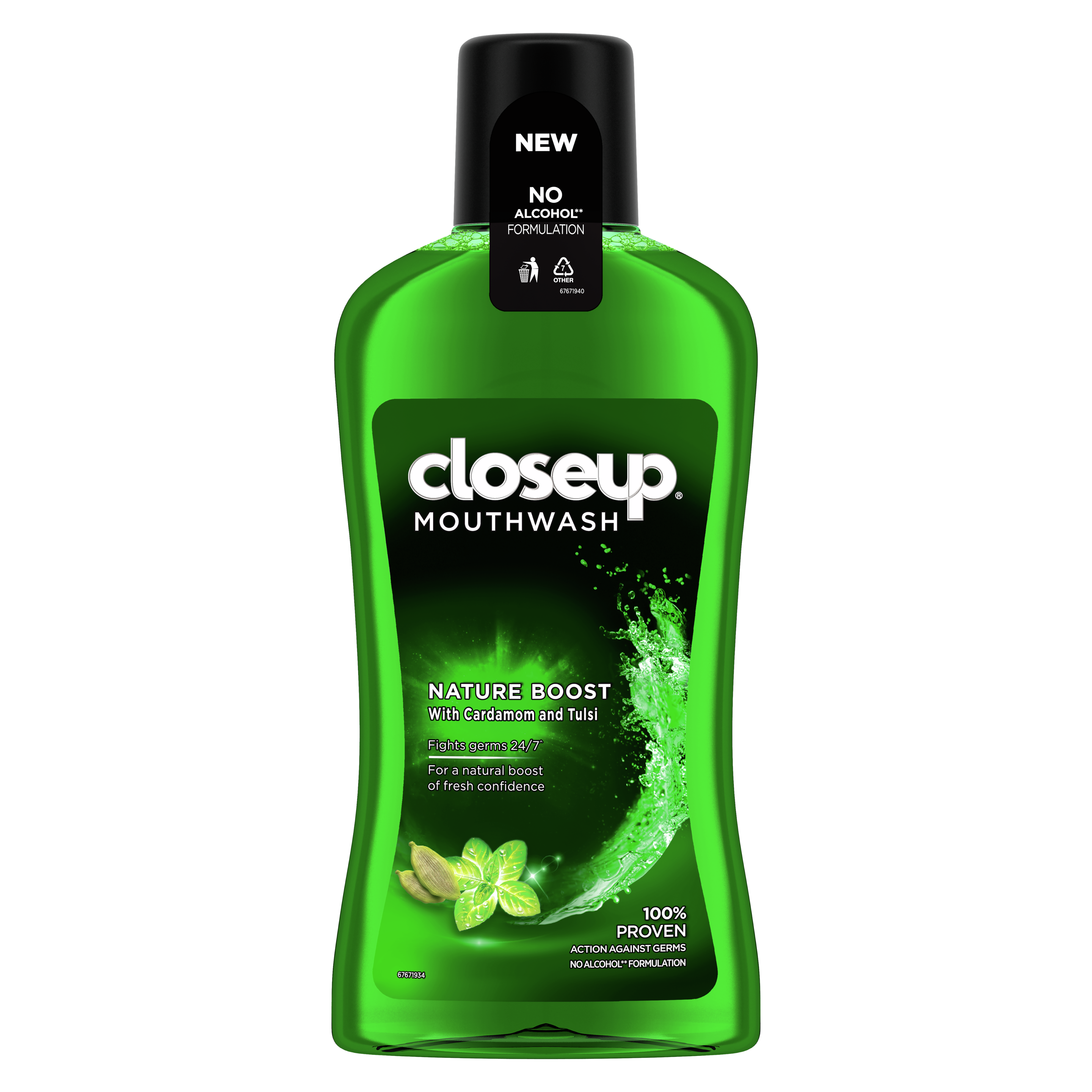
Fights germs 24/7 for a natural boost of fresh confidence, with cardamom and tulsi. 100% proven action against germs.
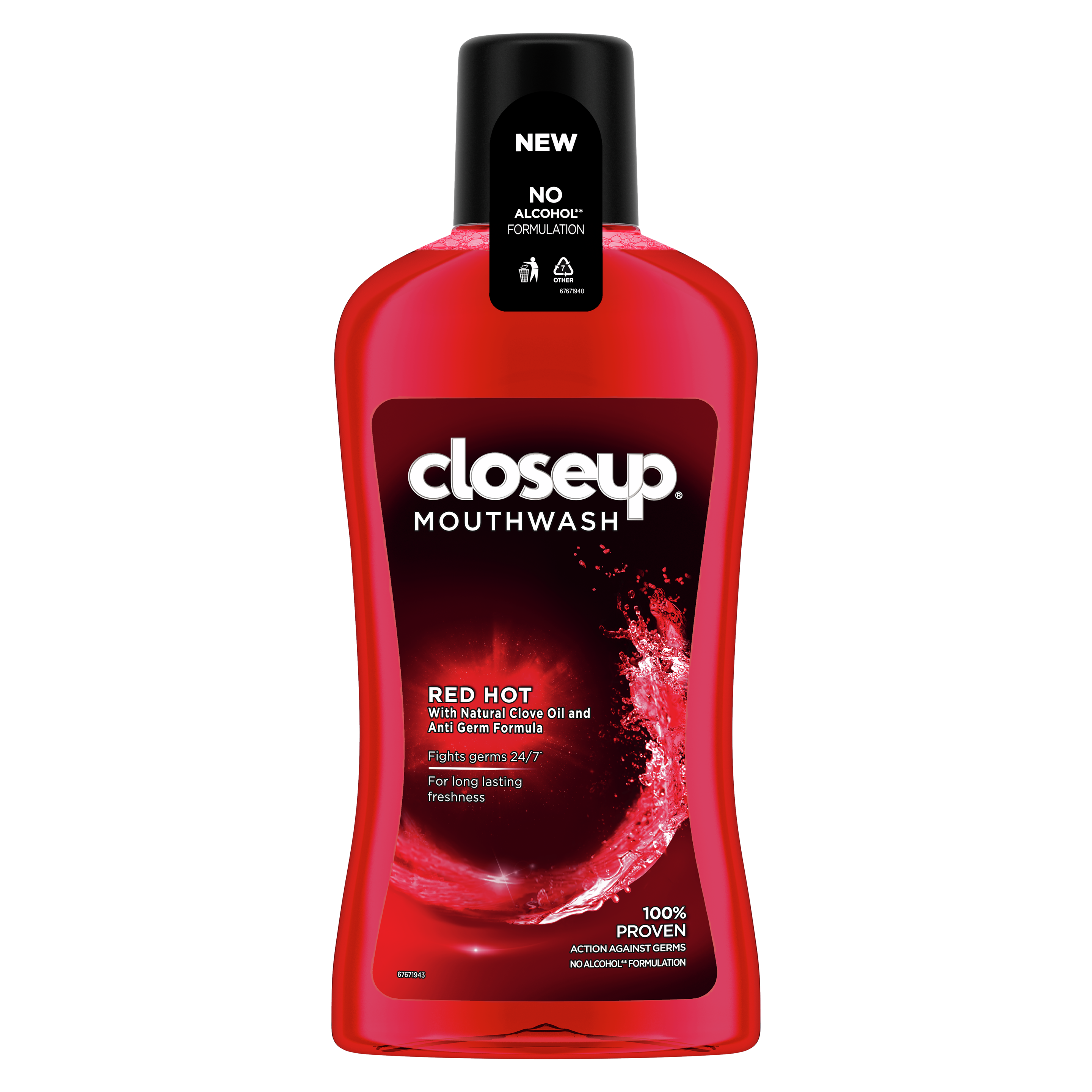
Fights germs 24/7 for long-lasting freshness, with natural clove oil and anti-germ formula. 100% proven action against germs.

Closeup Triple Fresh Formula Red Hot freshness gel toothpaste combines the efficacy of 3 powerful ingredients to keep you protected and fresh.
- slide 1
- slide 2
- slide 3